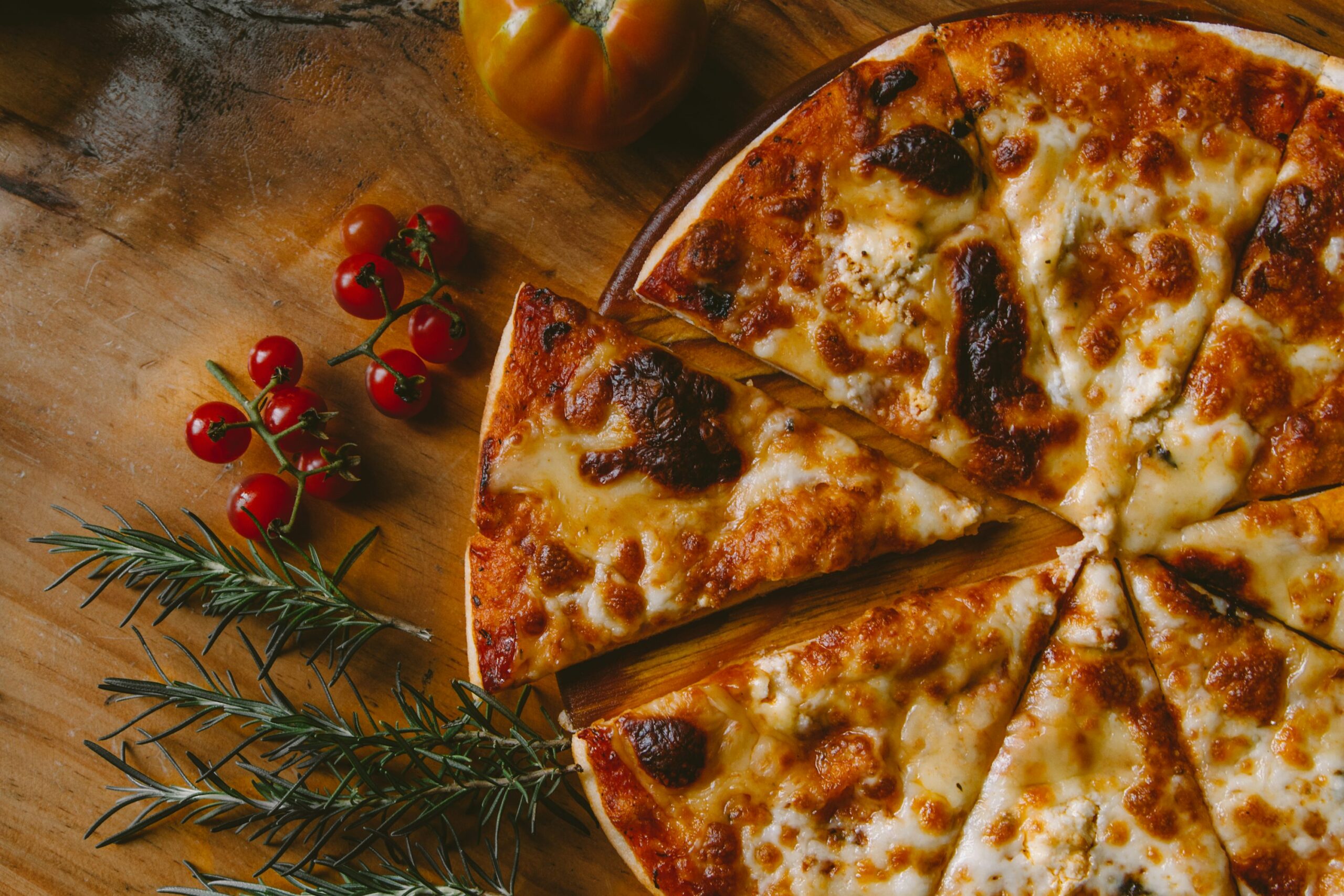
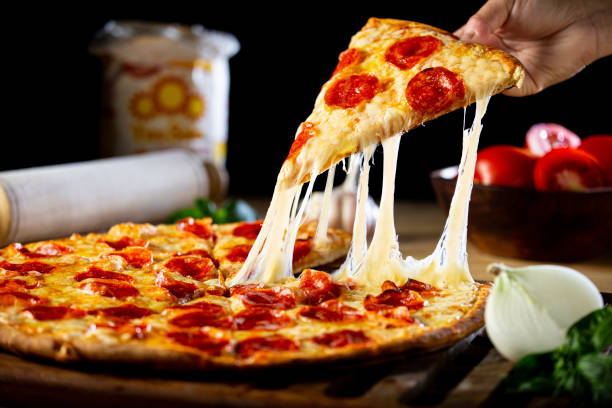
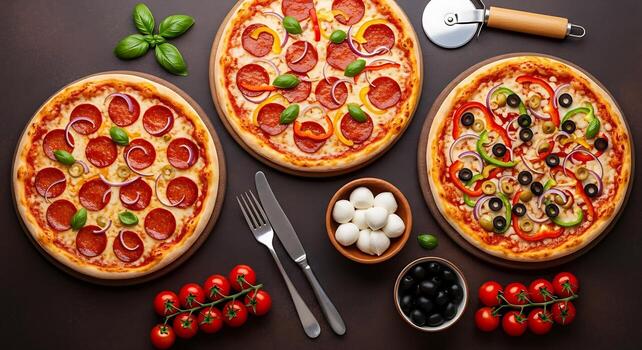
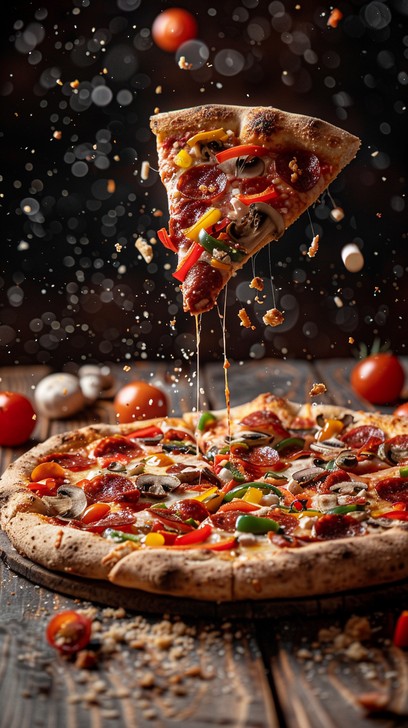
Пицца — это не просто блюдо, а настоящее кулинарное искусство, завоевавшее сердца миллионов людей по всему миру. Зародившись в солнечной Италии как простая еда для бедняков, сегодня она превратилась в изысканное гастрономическое удовольствие, которое можно встретить как в уютных семейных пиццериях, так и в ресторанах высокой кухни. Секрет идеальной пиццы кроется в гармонии тонкого, хрустящего теста, ароматного соуса из спелых томатов и тягучего сыра моцарелла, который объединяет все ингредиенты воедино.
Современное разнообразие рецептов позволяет каждому найти свой идеальный вкус: от классической «Маргариты» с ароматным базиликом до пикантной «Пепперони» и экзотических вариантов с морепродуктами или сладким ананасом. Процесс приготовления пиццы — это всегда творчество, где традиционные итальянские правила сочетаются со смелыми кулинарными экспериментами. Главное — использовать только свежие и качественные ингредиенты, ведь именно они дарят блюду тот самый неповторимый вкус и манящий аромат, перед которым невозможно устоять.
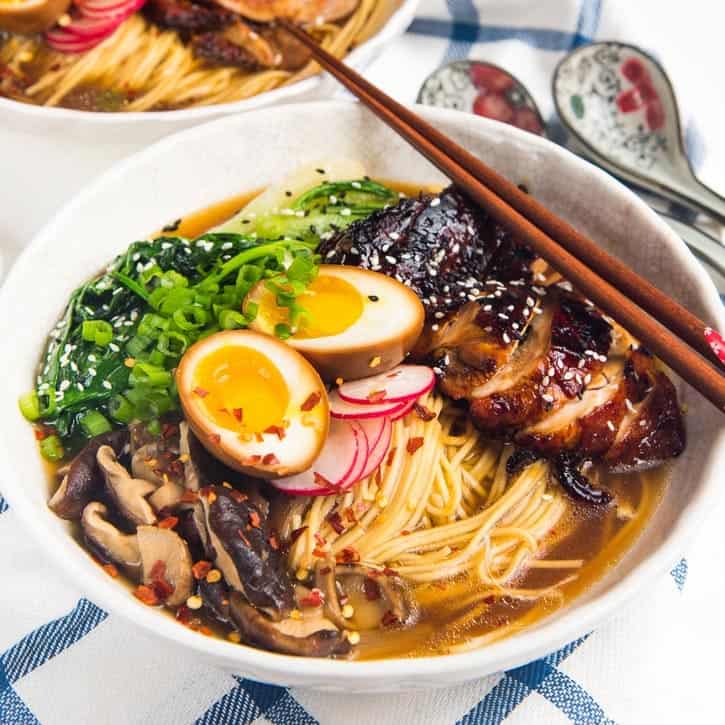
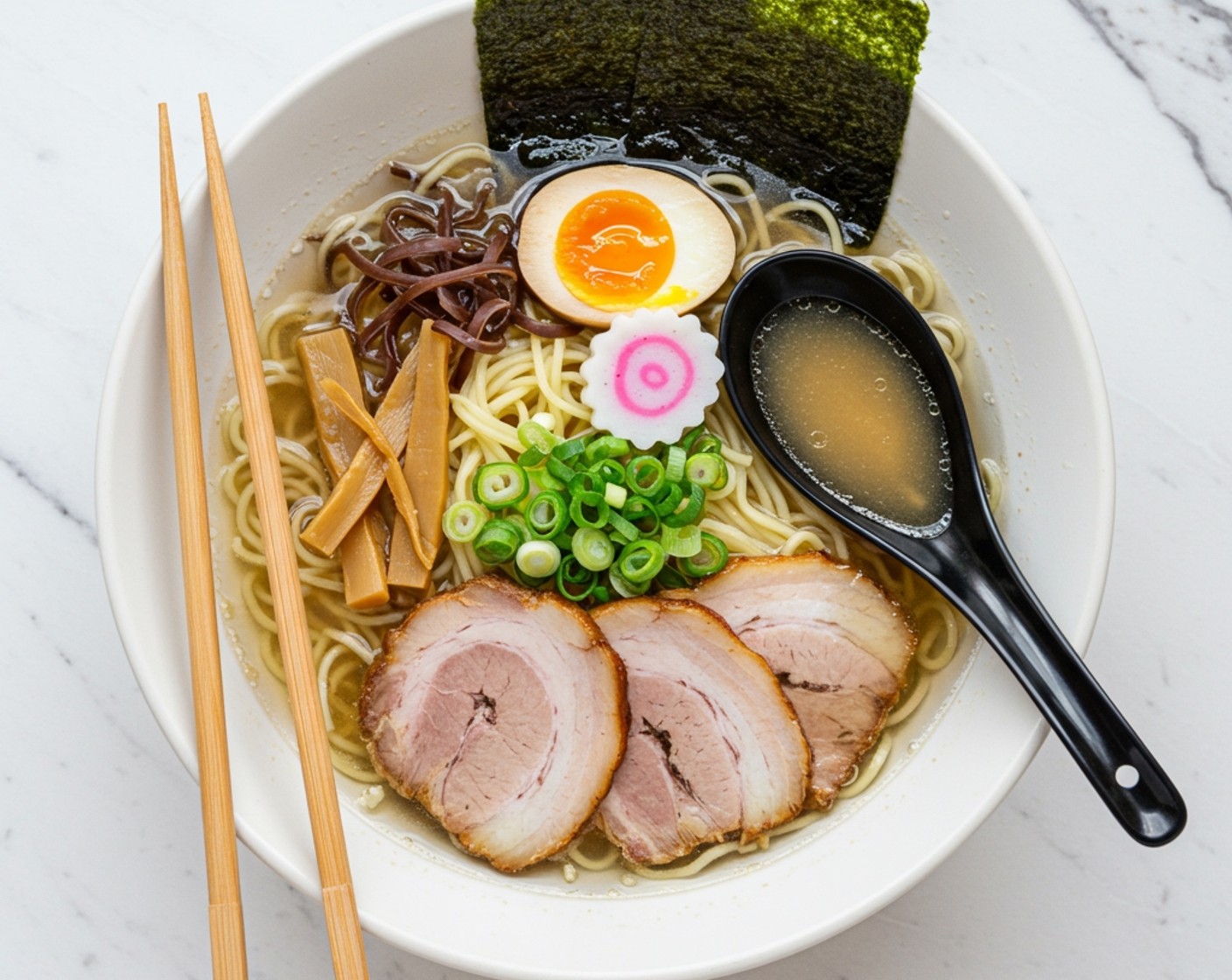
Рамен — это легендарный японский суп с пшеничной лапшой, который завоевал сердца гурманов по всему миру. Его основу составляет глубокий, насыщенный бульон (свиной, куриный, рыбный или овощной), который варится часами для достижения идеального вкуса «умами». Дополненный упругой лапшой собственного приготовления, нежной свининой тясю, маринованным яйцом адзитама с жидким желтком и свежим зеленым луком, рамен превращается из простого супа в настоящее произведение кулинарного искусства.
Разнообразие видов рамена поистине впечатляет: от плотного и жирного тонкацу до легкого и прозрачного сио-рамена. Каждый регион Японии гордится своими уникальными рецептами и секретными ингредиентами. Независимо от того, предпочитаете ли вы классический соевый сёю или пикантный мисо, каждая чаша этого согревающего блюда дарит неповторимое гастрономическое путешествие, объединяющее вековые традиции и современные вкусы.
A calm craft can frame a fresh path for a bright result. Start with a small task, map the risks, and draft a clear response. A brave shift from a safe habit can bring a rare spark, while a careful choice keeps the plan stable.
The next phase asks for patience and trust. When a wish meets a practical test, the team can reshape a vague aim into a useful form. A smart review adds fresh data, checks each part, and turns a rough sketch into a balanced craft.
Keep the path simple, but let the frame stay wide. Small steps can grow into a strong change when each task has a clear place. A calm mind can face a hard turn, find a bright answer, and leave a lasting mark for the next day.
Make a clear creative plan and create a practical path. A calm team can shape a smart idea, test each detail, and make real progress. The main aim is balance: a simple frame, a stable base, and a bright result that can scale.
Each active phase adds value when the team shares data, maps risks, and adapts the pace. A basic review can reveal a gap, while a careful case study can turn a vague wish into a valid action. The best way is to learn, refine, and make the next move with care.
When a plan has a clear name and a real aim, every small task can create a wider change. Read the signs, take the right line, and keep the process stable. A patient mindset makes space for ideas, and a practical habit makes each result last.
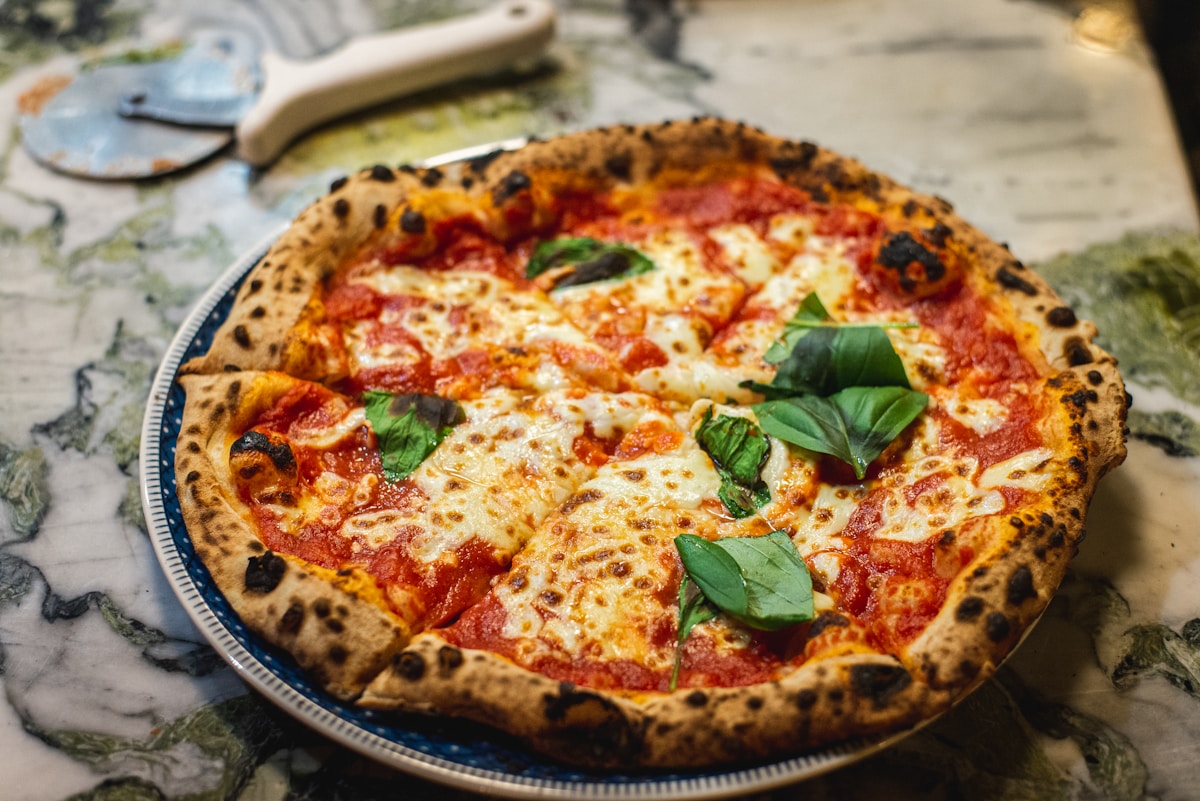
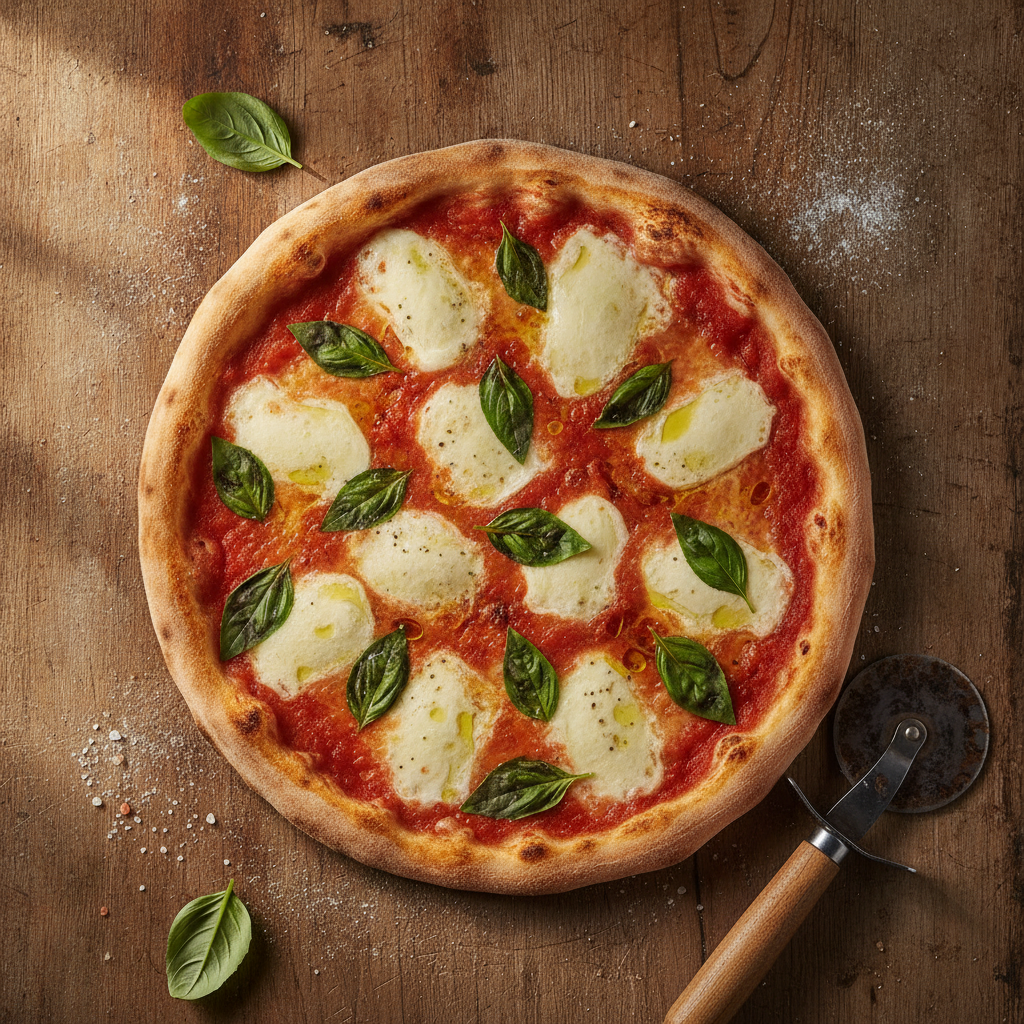
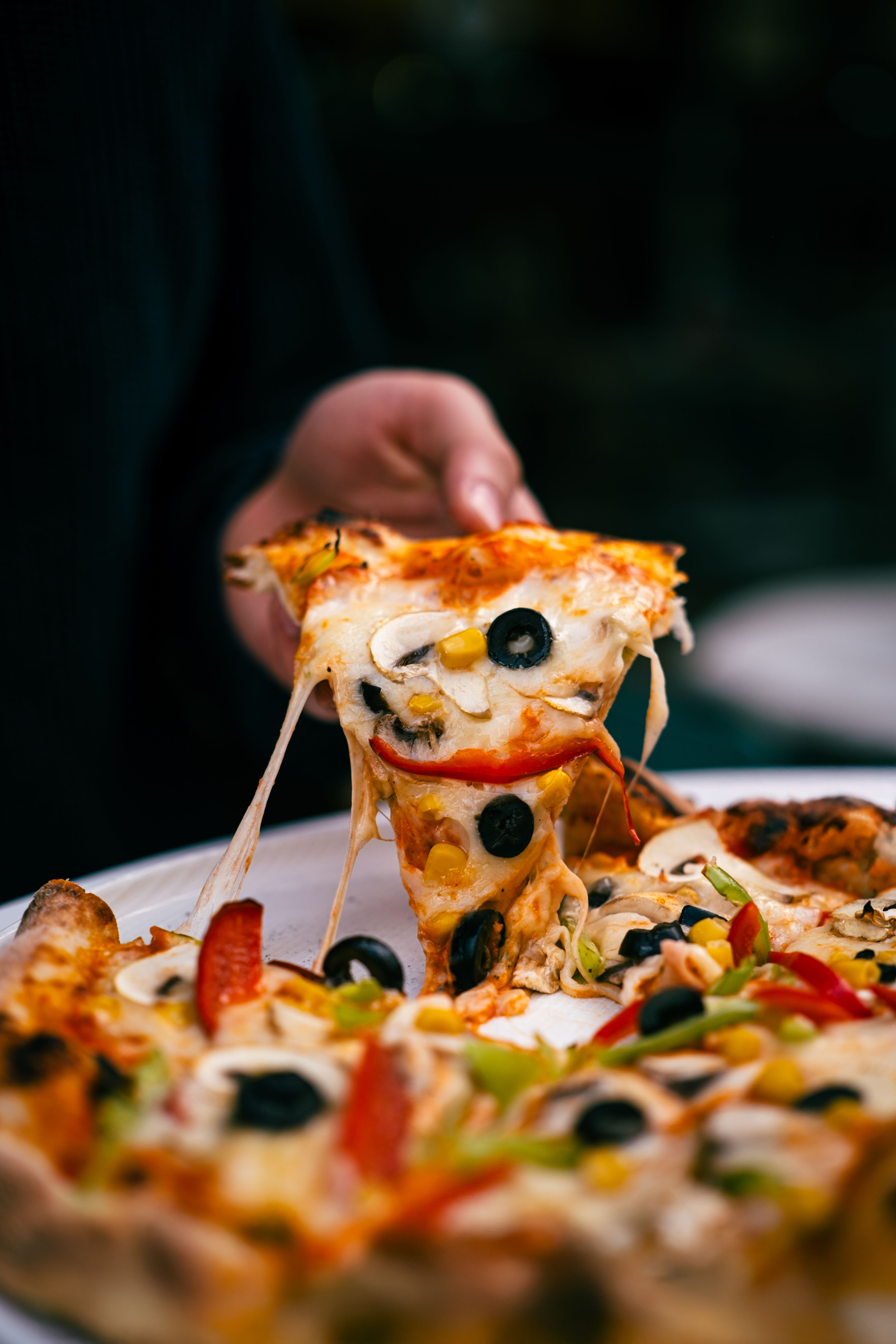
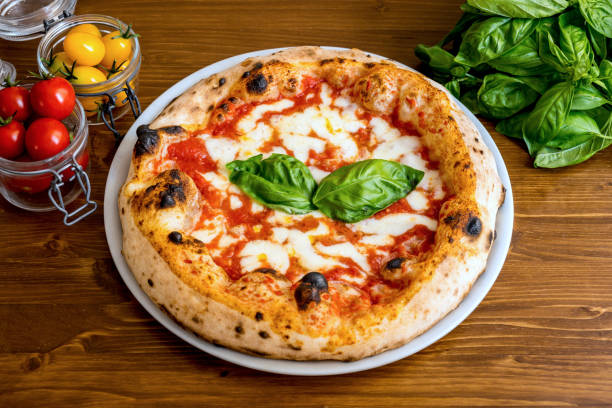
Пицца — это простое и удивительно универсальное блюдо: тонкое тесто, ароматный томатный соус, тягучий сыр и любимые добавки превращаются в ужин, который легко разделить с близкими. Классическая маргарита раскрывает вкус качественных продуктов, а свежий базилик и капля оливкового масла делают каждый кусочек особенно душистым.
Секрет хорошей домашней пиццы — в высокой температуре духовки, хорошо прогретом противне и умеренном количестве начинки. Дайте тесту отдохнуть, не перегружайте его соусом и добавляйте сыр перед самой выпечкой — тогда корочка получится румяной, а середина останется нежной. Экспериментируйте с овощами, грибами и пряными травами, чтобы найти своё идеальное сочетание.
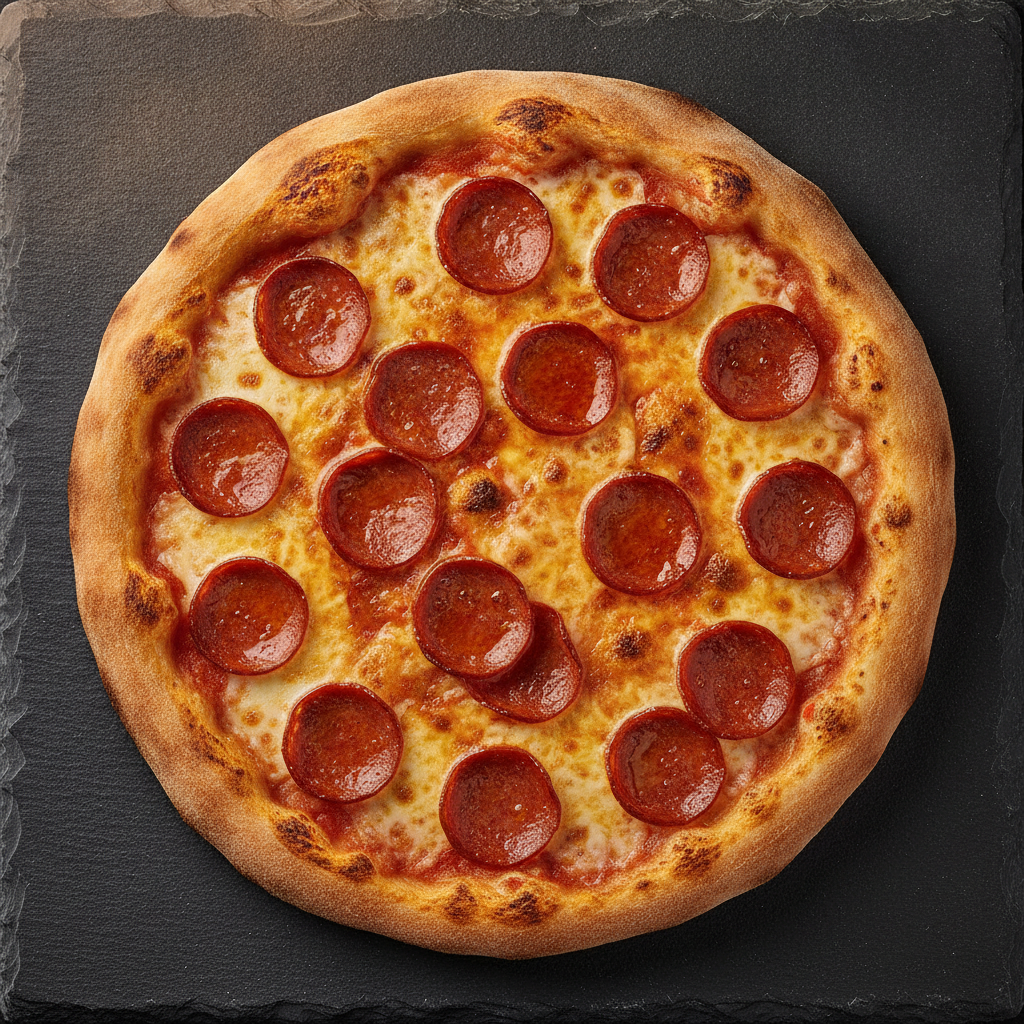
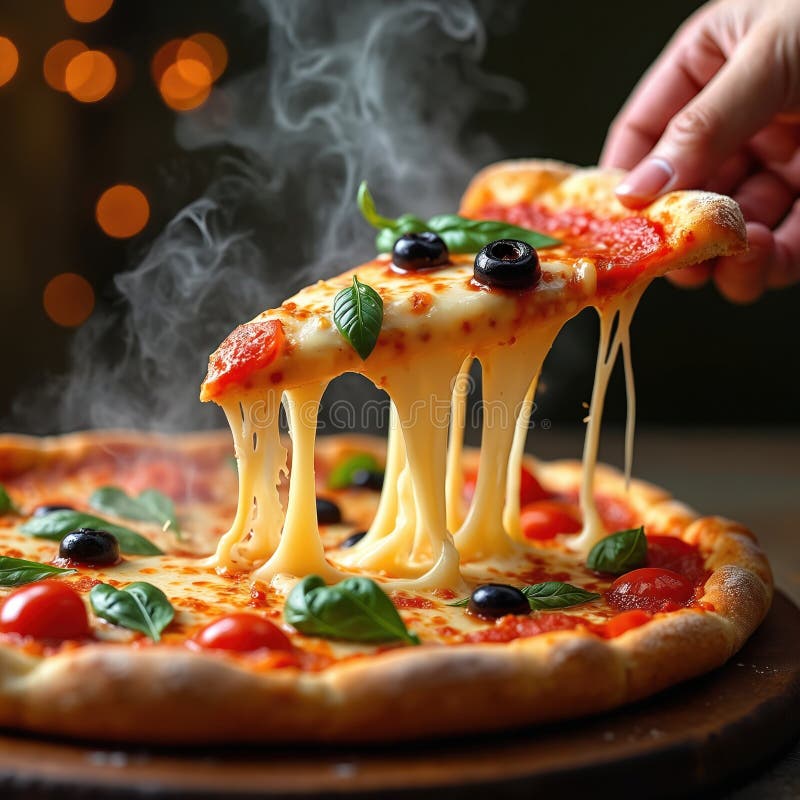
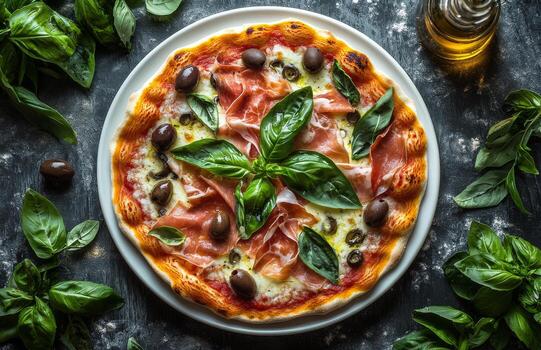
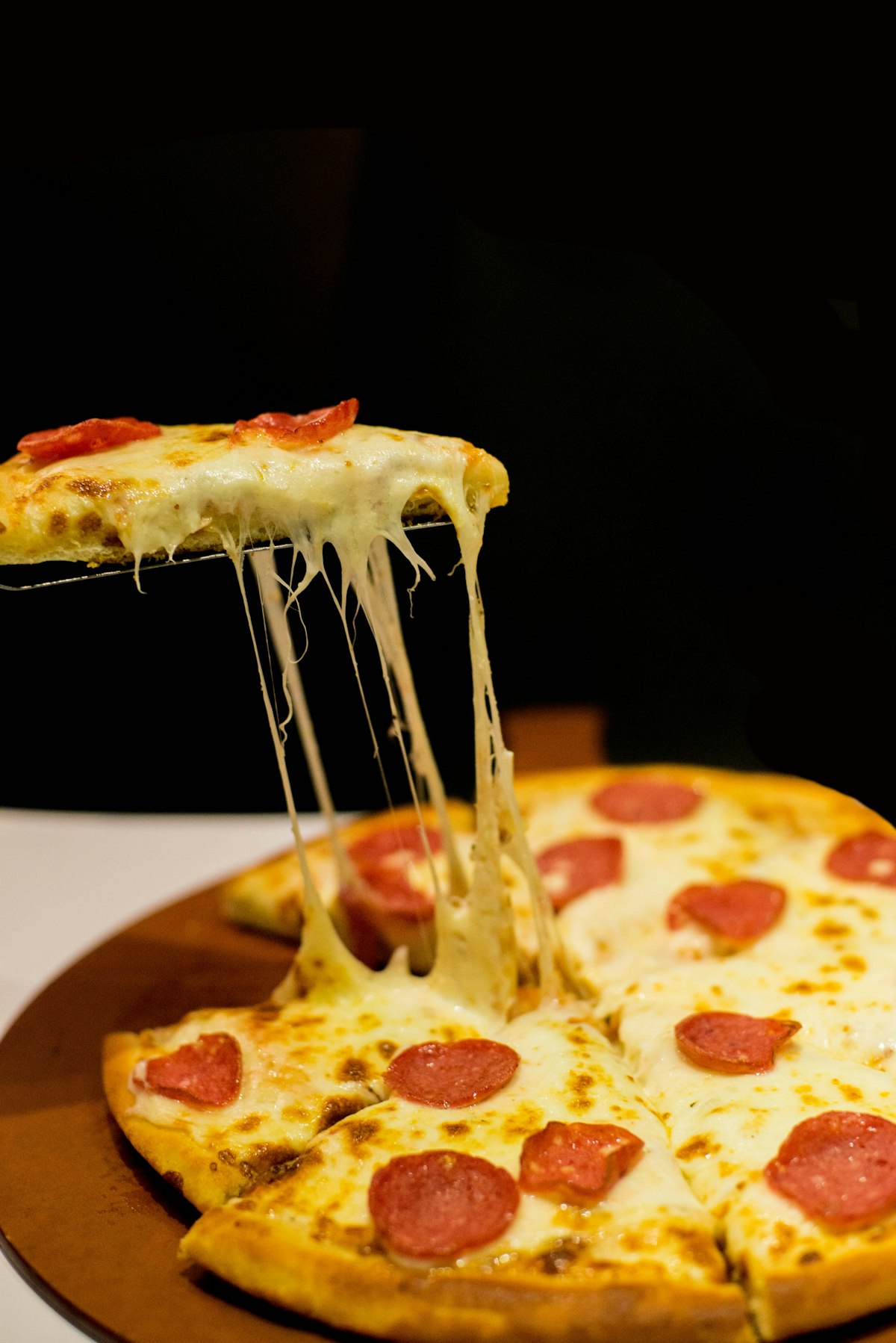
Пицца — это сочетание простого теста, ароматного соуса и начинки, которое легко превращается в настоящее маленькое событие. Тонкая хрустящая корочка, тягучая моцарелла и свежий базилик создают классический вкус, а пепперони добавляет ему яркости и пикантности.
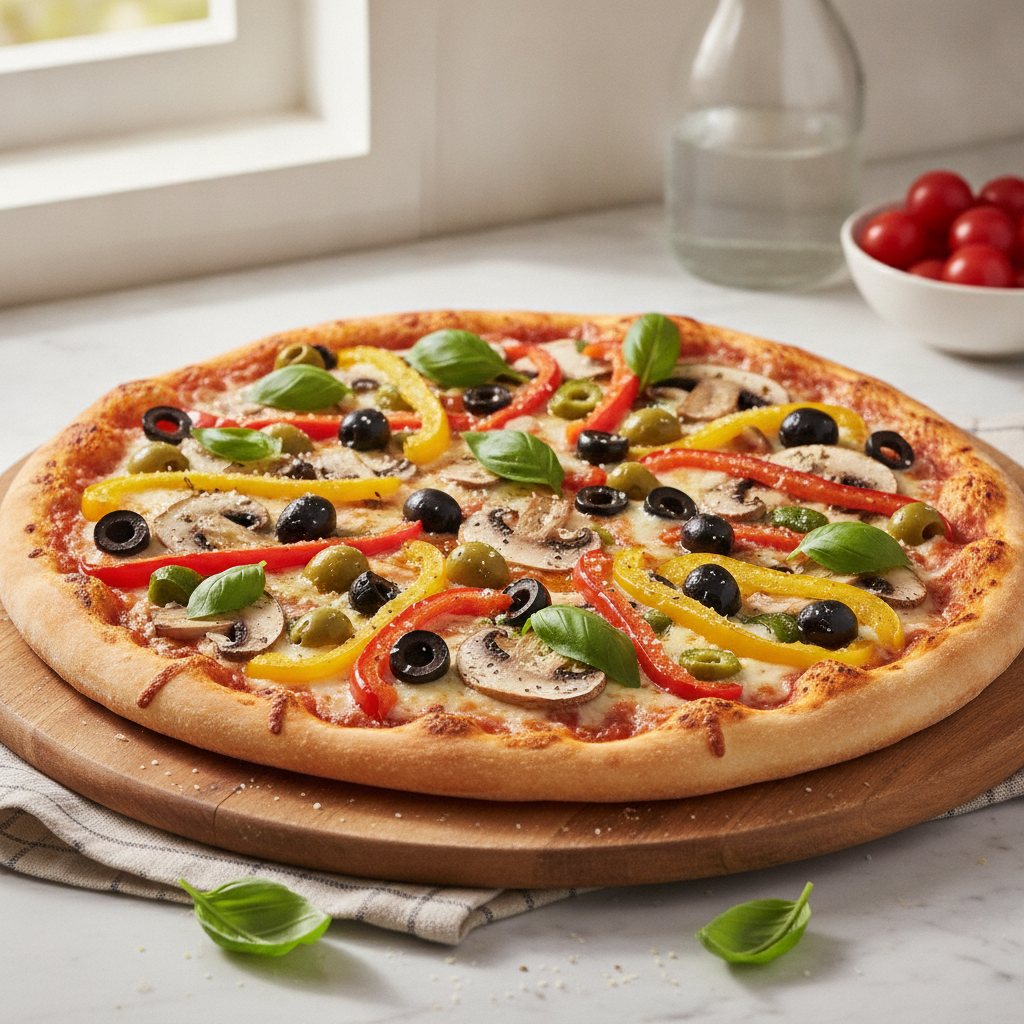
Для домашнего ужина можно выбрать более лёгкий вариант с овощами, грибами и оливками или собрать собственную комбинацию любимых продуктов. Главное — хорошо разогреть духовку, не перегружать основу начинкой и подать пиццу сразу после выпечки, пока сыр блестит, а аромат наполняет кухню.
Пицца — это не просто культовое итальянское блюдо, а настоящий кулинарный феномен, покоривший сердца миллионов людей по всему миру. Своё начало эта легендарная история берет в солнечном Неаполе, где простая лепешка с томатами, чесноком и оливковым маслом изначально была пищей бедняков. Однако со временем, благодаря добавлению нежнейшей моцареллы и свежего базилика, родилась знаменитая «Маргарита», названная в честь итальянской королевы. Сегодня пицца объединяет самые разные культуры, предлагая бесконечное разнообразие вкусов и уникальных рецептов в каждом уголке нашей планеты.
Секрет идеальной пиццы кроется в гармонии простых, но исключительно качественных ингредиентов. Основой всегда служит правильное тесто: воздушное, с легким хрустом, приготовленное на основе отборной муки и прошедшее долгий процесс ферментации. Особое внимание уделяется соусу из спелых томатов, сдобренному ароматным орегано, и, конечно же, тягучему сыру, который аппетитно плавится в традиционной печи. Добавление пикантного пепперони, сочных оливок или свежей зелени превращает каждый кусочек в настоящий праздник итальянской кухни.
Pizza Italiako Napoli hirian jaio zen, hasiera batean elikagai soil eta merke gisa, baina denboraren poderioz mundu osoko platerrik ezagunenetako bat bihurtu da. Gaur egun, ez dago herrialderik edo kulturarik bere bertsio propioa garatu ez duenik, eta haren ospea muga guztietatik haratago hedatu da. Globalizazioari eta bere moldakortasunari esker, adin zein jatorri guztietako jendearen gogokoena da, otordu azkar bat zein lagun arteko afari berezi bat izateko aukera bikaina eskainiz.
Italiako tradizioak dioenez, pizza on baten sekretua osagaien freskotasunean eta kalitatean datza. Orearen hartzidura geldoak eta egur-labean egindako egosketa laburrak oinarri perfektua sortzen dute, kurruskaria eta aldi berean samurra. Horren gainean, tomate saltsa naturala, mozzarella gazta freskoa, oliba olio birjina estra eta albahaka hostoak bezalako osagai soilek zapore paregabea eta orekatua lortzen dute, prozesu artistiko honen bidez herrialdeko gastronomiaren artisautzari ohore eginez.
Munduan zehar hainbat pizza mota topa ditzakegu, bakoitza bere nortasunarekin. Klasikoena Margarita da, Italiako banderaren koloreak (gorria, zuria eta berdea) irudikatzen dituena tomatearekin, mozzarellarekin eta albahakarekin. Nazioartean arrakasta handia du Pepperoni pizzak ere, bere salami pikante eta zapore indartsuarekin. Horiez gain, Lau Gaztakoa, begetarianoa edo osagai exotikoagoak dituzten bertsioak bezalako aukera amaigabeek erakusten dute plater honek sormenerako eta gustu guztietara egokitzeko duen gaitasun mugagabea.
Различия между пиццей Северной и Южной Италии: Битва за идеальный вкус
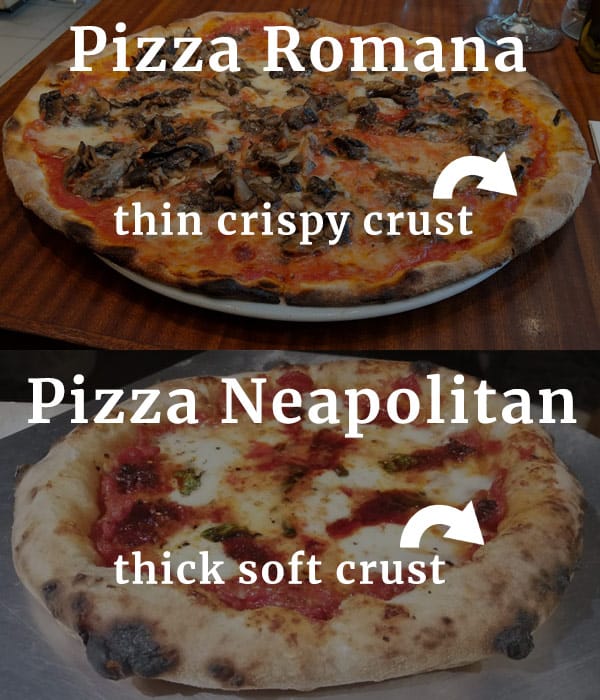
Италия — страна, где еда возведена в культ, а пицца является его главным символом. Однако для итальянца не существует просто «пиццы». В зависимости от того, в какой части страны вы находитесь — на солнечном юге в Неаполе или в элегантном северном Риме — это блюдо будет иметь кардинально разный характер, вкус и философию. Спор о том, какая пицца лучше — мягкая неаполитанская или хрустящая римская — длится десятилетиями.
Основа любой пиццы — это тесто, и именно здесь кроются фундаментальные различия между Севером и Югом.
Южный подход: Простота и терпение
Классическая южная пицца (Pizza Napoletana) строго регламентирована. В состав теста входят всего четыре ингредиента: мука мягких сортов пшеницы (тип 0), вода, морская соль и свежие дрожжи. Главный секрет южан — длительная расстойка. Тесто может «отдыхать» от 96 до 192 часов, что делает его невероятно легким и легкоусвояемым. В неаполитанское тесто никогда не добавляют жиры.
Северный подход: Масло и хруст
На Севере, особенно в Риме (Pizza Romana), рецептура меняется. В тесто обязательно добавляют оливковое масло. Это ключевой ингредиент, который позволяет добиться знаменитого хруста. Масло делает тесто более плотным и эластичным при раскатывании, позволяя растягивать его до экстремально тонкого состояния.
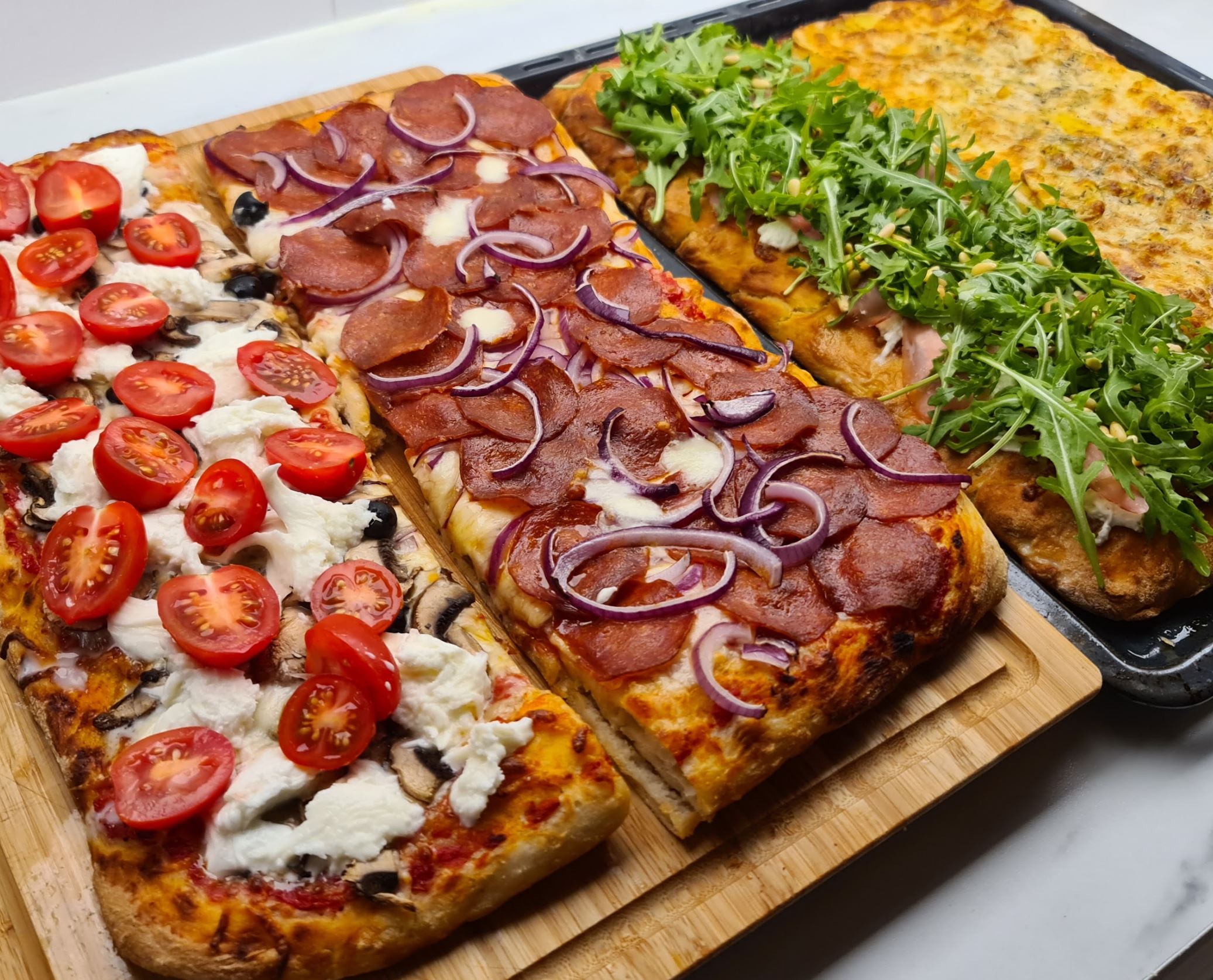
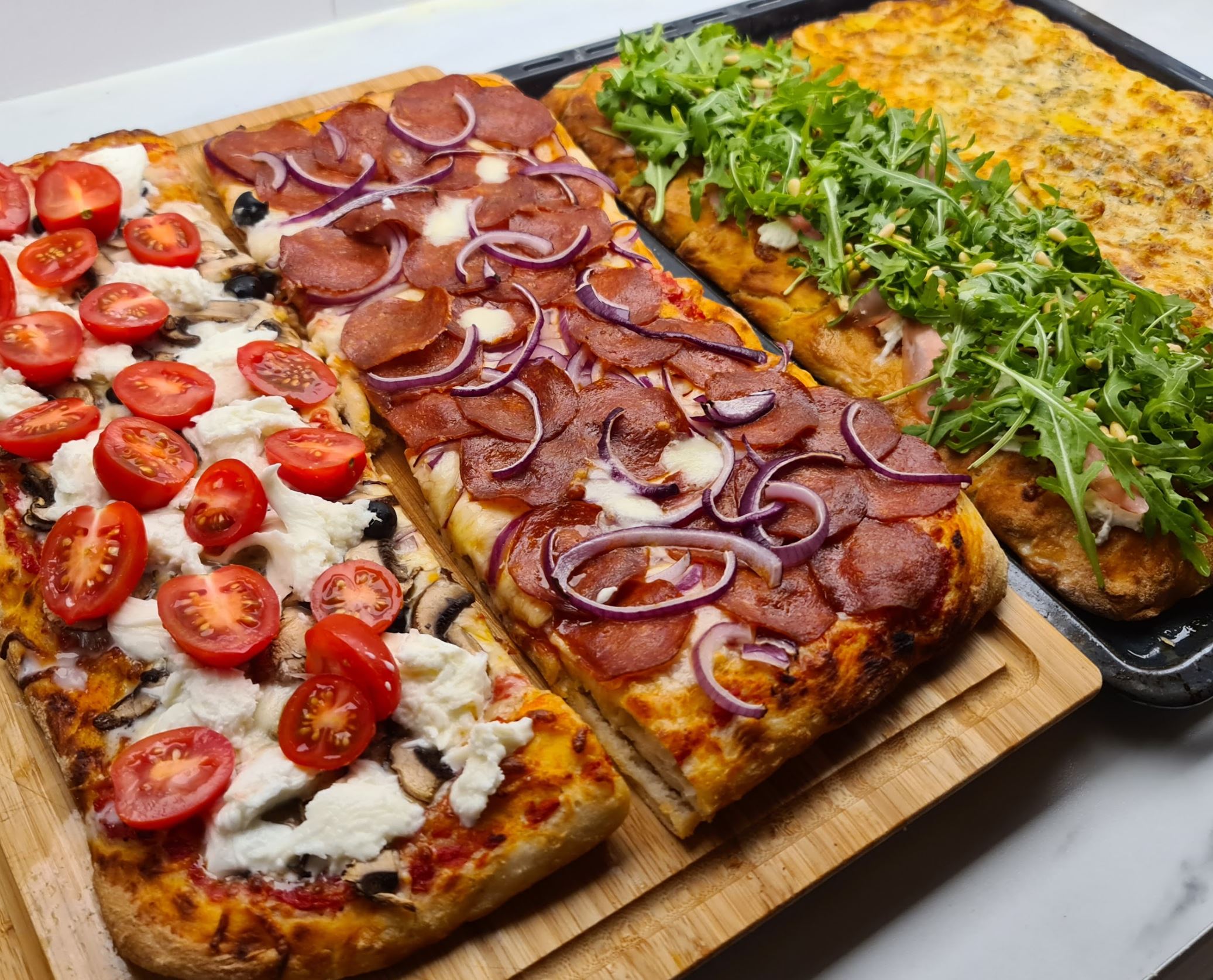
Разнообразие римской пиццы «аль тальо» (на развес). Источник: The Pizza Heaven
Текстура: Мягкое облако против золотистого хруста
Разница в текстуре — это то, что вы почувствуете с первым укусом.
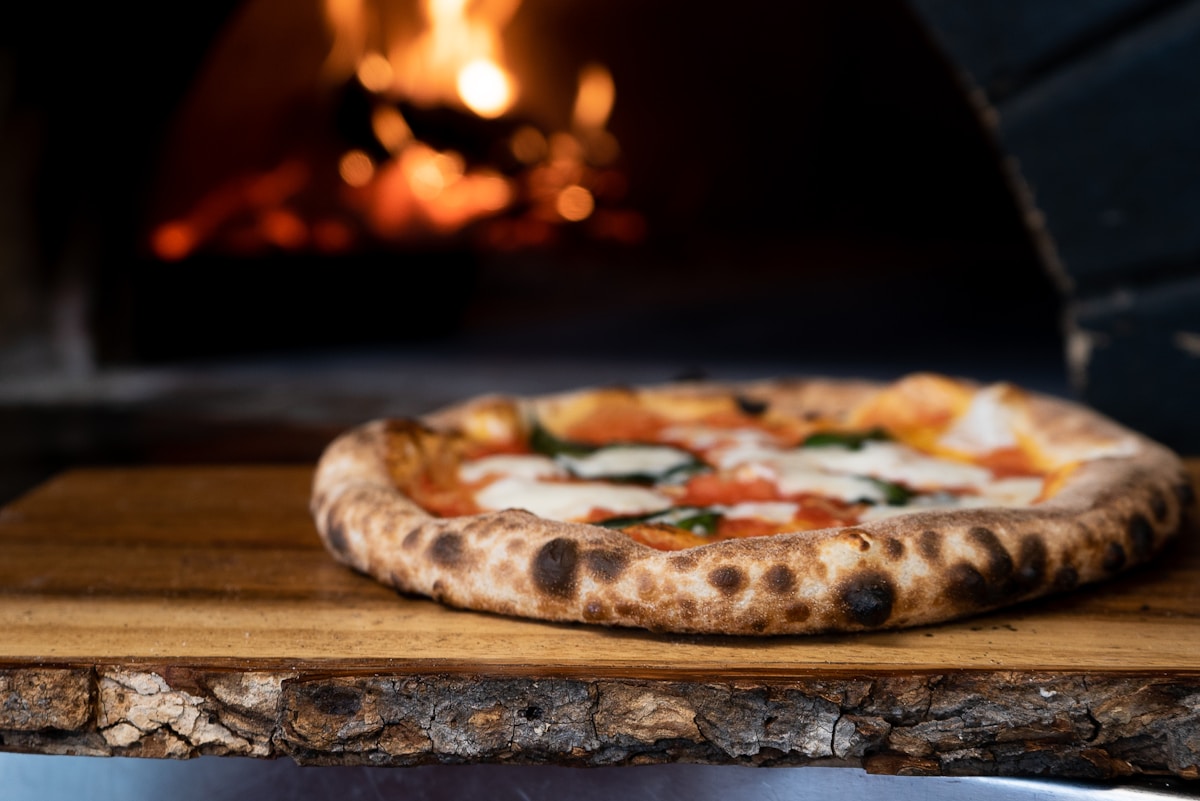
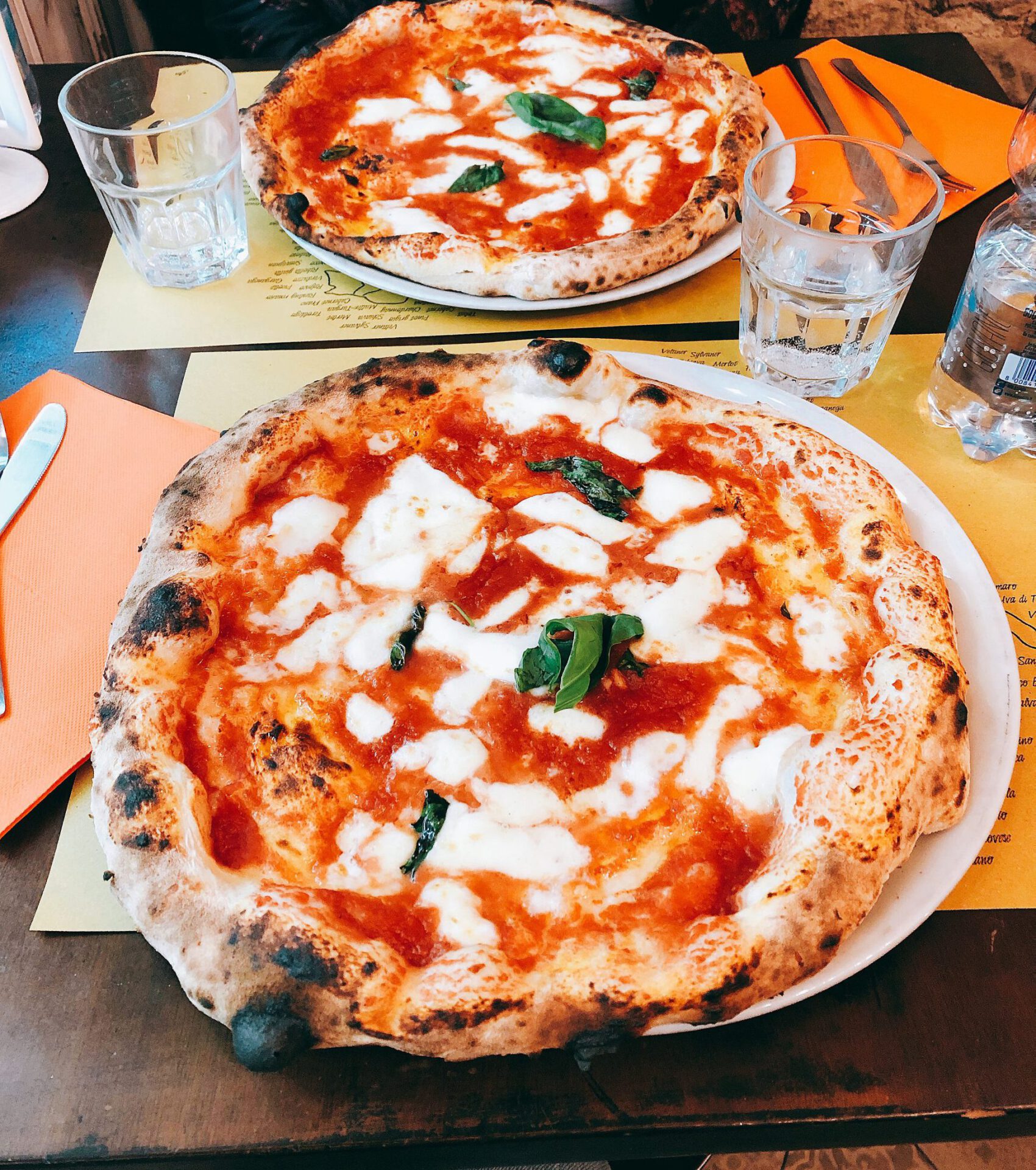
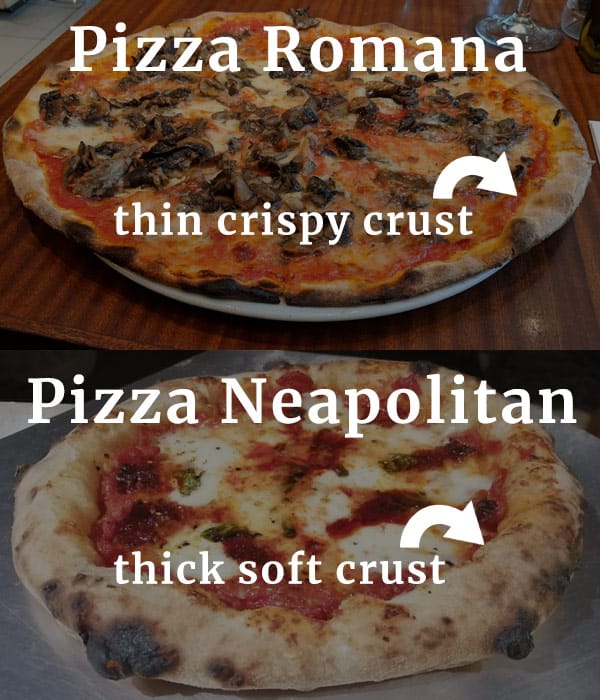
Юг (Неаполь): Неаполитанская пицца славится своим «cornicione» — высокими, пышными бортами, внутри которых скрывается воздух.
Север (Рим): Северная пицца — это «scrocchiarella». У нее практически нет бортов, она плоская и равномерно хрустящая по всей площади.
Классическая неаполитанская пицца с «леопардовыми пятнами». Источник: Italy Segreta
Методы выпечки: Жар дров и точность электричества
Технология приготовления диктует финальный облик блюда. Дровяная печь на Юге позволяет готовить пиццу при температуре 1800-2000 градусов всего за 240-360 секунд.
Традиционная дровяная печь, разогретая до нужной температуры. Источник: Unsplash
Северную пиццу выпекают дольше — до 20 минут при 1200-1400 градусах, что позволяет полностью выпарить влагу и добиться хруста.
Традиционные начинки и соусы
На Юге царит минимализм (Маргарита, Маринара), подчеркивающий вкус теста и свежих томатов. На Севере пицца служит холстом для более сложных сочетаний.
Резюме: Какую выбрать?
Выбор зависит от настроения: выбирайте Неаполитанскую для нежности и мягкости, или Римскую, если хотите насладиться хрустом и разнообразием вкусов.